Table of Content
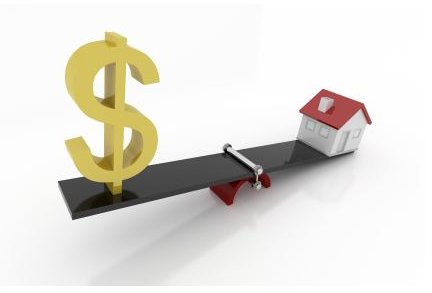
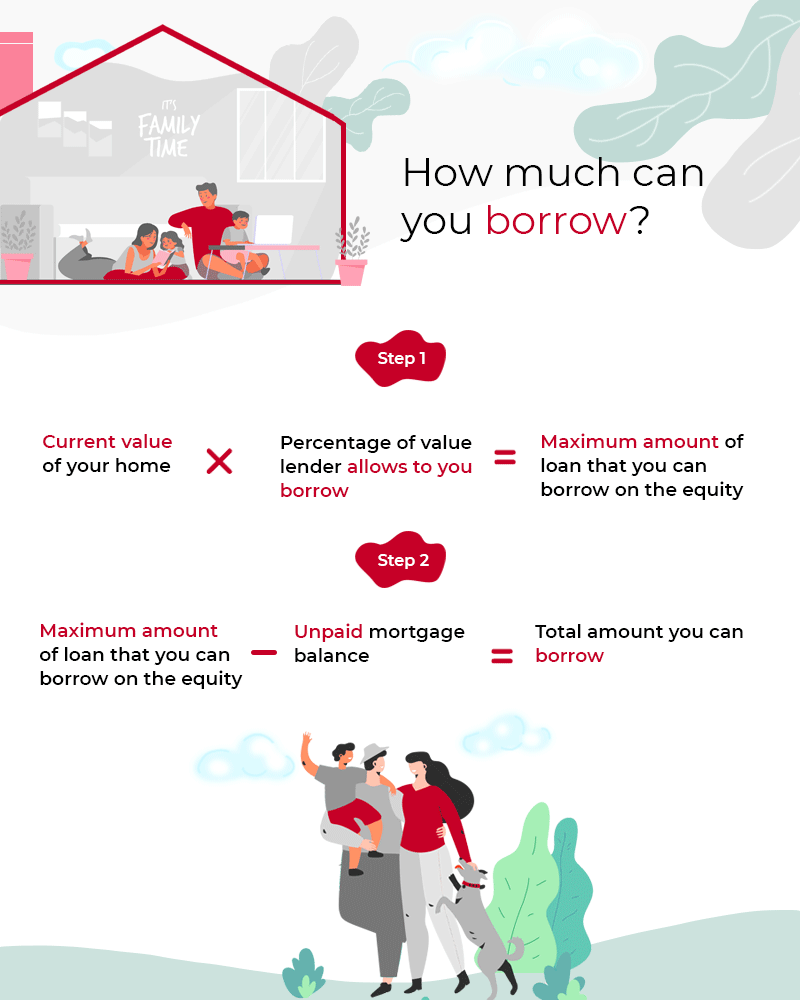
Rather than borrowing a specific sum of money and repaying it, a HELOC gives you a line of credit that lets you borrow money as needed, up to a certain limit, and repay it over time. The amount of money you can get for a Home Equity Loan is chiefly determined by how much equity your home currently has. Your equity, in turn, is arrived at by subtracting the amount you owe in mortgage loans from the current value of your home. Most lenders offer only 75-90% of your current home equity up for borrowing. This includes not only the primary mortgage used in LTV but also any second mortgages, home equity loans or lines of credit, or other liens. As a rule of thumb, a good loan-to-value ratio should be no greater than 80%.

You can sign up for CreditWise from Capital One to check your VantageScore 3.0 from TransUnion and receive ongoing free credit monitoring and alerts. While your LTV ratio only looks at the amount of your loan and the value of the collateral, the combined loan-to-value ratio includes additional loans that you take out against the asset. Loan-to-value ratios change as payments are made, assets increase in value or both events occur. The lower your combined loan-to-value ratio, the more lenders you will have access to, and the higher loan amounts you could get. Another thing to keep in mind is that when buying a home, the home’s LTV and the lender’s mortgage program will determine the mortgage amount you will be able to borrow.
Common reasons for borrowing against home equity
See competitive home equity rates from lenders that match your criteria and compare your offers side by side. The cost of your private mortgage insurance can be eliminated with enough home equity. We may fall into old habits or rely on more familiar forms of credit rather than wading into unfamiliar territory.
But falling home prices in your area could cancel out the value of any improvements you might make. It could be that a lender has a “minimum equity” requirement – maybe that’s not-less-than 5% (0.05) down payment towards the purchase price. In that case, the maximum LTV would be 95% (1-minus 0.05), multiplied by 100 to express as a percentage. As a rule of thumb, lenders will generally allow you to borrow up to percent of your available equity, depending on the lender and your credit and income. So in the example above, you'd be able to establish a line of credit of up to $80,000-$90,000 with a home equity line of credit.
High-Cost and Higher-Priced Mortgages
There will be a draw period, usually 10 years , during which you can spend up to your limit. You can get an idea of the maximum you can borrow by working out the value of the equity you have in your home—that’s the value of your home minus what you owe on your mortgage. You may be able to get a home equity loan for up to 85% of this value. As college tuition costs continue to soar, many families are looking for ways to cover those expenses outside of borrowing student loans. Keep in mind there may also be a minimum borrowing amount to make underwriting the loan worth your lender’s time and effort.
A loan’s LTV ratio is one factor lenders might use to help make decisions about loan applications, rates and terms. More of their money is on the line, and the borrower may be less invested in keeping up with their payments. Your equity and LTV ratio change as you pay down the mortgage and as the value of your home increases or decreases. Once your LTV ratio drops below 80%, borrowers may be able to request to remove the PMI.
What is Combined Loan to Value Ratio?
If you’ve been dreaming about such things, your home equity could help make them happen. Auto, homeowners, and renters insurance services offered through Karma Insurance Services, LLC (CA resident license # ). As a borrower, there are several ways a higher LTV ratio could affect you.
Borrowers may also get a 0.25 percent rate discount for having a TD Bank checking account. Lower lets you borrow up to 95 percent of your home's value, while most other lenders cap LTV at 80 or 85 percent. Lower gets its name from offering "lower" rates and promises a quick approval and closing process. The application process is completely online, and the application is streamlined and full of easy-to-understand language. To conduct the National Average survey, Bankrate obtains rate information from the 10 largest banks and thrifts in 10 large U.S. markets. The rates shown above are calculated using a loan or line amount of $30,000, with a FICO score of 700 and a combined loan-to-value ratio of 80 percent.
For FHA, VA, and USDA loans, there are streamlined refinancing options available. These waive appraisal requirements so the home's LTV ratio doesn't affect the loan. In general, the lower the LTV ratio, the greater the chance that the loan will be approved and the lower the interest rate is likely to be. In addition, as a borrower, it's less likely that you will be required to purchase private mortgage insurance . Additionally, a loan with a high LTV ratio may require the borrower to purchase mortgage insurance to offset the risk to the lender. The amount that you can borrow — and the interest rate you’ll pay to borrow the money — depend on your income,credit history, and the market value of your home.
While there are plenty of resources that explain what a home equity line of credit is and what you can use it for, you’re not alone if you still have questions. But while these estimates are helpful, the most reliable indicator of your home’s value will be an actual appraisal — part of the loan process. Many people tap into their home equity to tackle home improvement projects, make a large purchase or pay off debt.
Due to the fact that HELOCs are revolving lines of credit, they can impact, and even hurt, your credit. When you apply, typicallythe lender will run a hard inquiryto assess your creditworthiness, and that can have a small impact on your credit score. While a hard inquiry may cause your credit score to drop a few points, you should be able to recover those points if you make timely payments on your HELOC balance.

If you’re getting a home improvement loan, the contractor can’t deliver any materials or start work. The lender can begin to accrue finance charges during the delay period. Negotiate with more than one lender.Don’t be afraid to make lenders and brokers compete for your business by letting them know that you’re shopping for the best deal.
You can reduce your loan principal faster by paying a little bit more than your amortized mortgage payment each month . The higher yourcredit score, the better your rates and the more likely you are to be approved. If you have a credit score in the mid-600s or below, work to pay off existing debt and make timely payments on your credit cards toimprove your score.
If you pay private mortgage insurance on your mortgage, keep an eye on your LTV ratio. Your lender is required by federal law to cancel PMI when a home’s LTV ratio is 78% or lower than the home’s original appraised value . This cancellation is generally preplanned for when your loan balance reaches that percentage. However, if your LTV ratio drops below 80% because of extra payments you made, you have the right to request your lender cancel your PMI. You can also ask your lender to cancel your PMI if the value of your home has increased, which will lower your LTV ratio.
This can put your home at risk if you can’t make your payments or they’re late. And, if you sell your home, most HELOCs make you pay off your credit line at the same time. Dishonest lenders may contact you with a supposed deal on financing.


No comments:
Post a Comment